La Sauve - Entre-deux-mers - Bordeaux

Château Thieuley

“Some lives revolve around a place, just as the vine, that climbing liana, winds around the stake planted in the ground.”

Erik Orsenna

Familia Grande

A family and collective story that lives on...

The story of the Courselle Family Vineyards began in 1950, when André Courselle bought Château Thieuley and set about creating a wine estate there.
In 1972, his son Francis Courselle, then a young agricultural engineer and viticulture teacher, decided to accelerate the development of the vineyard. Over 30 years, the area under vine grew from 4 to 75 hectares, now spread across three estates: Château Thieuley, Clos Sainte Anne and Château Saint Genès.
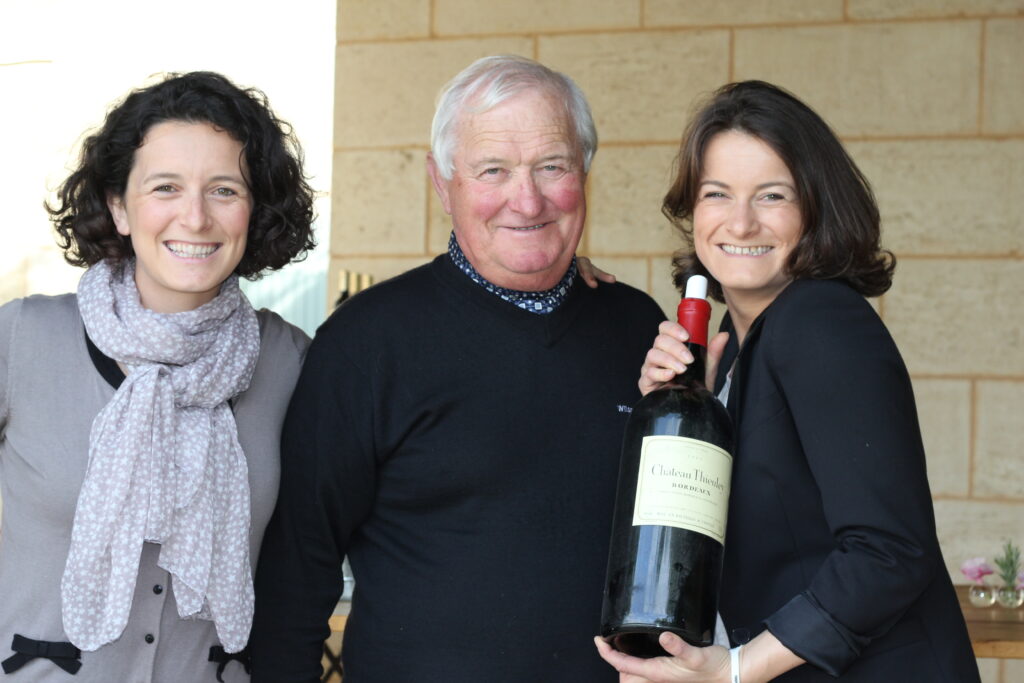
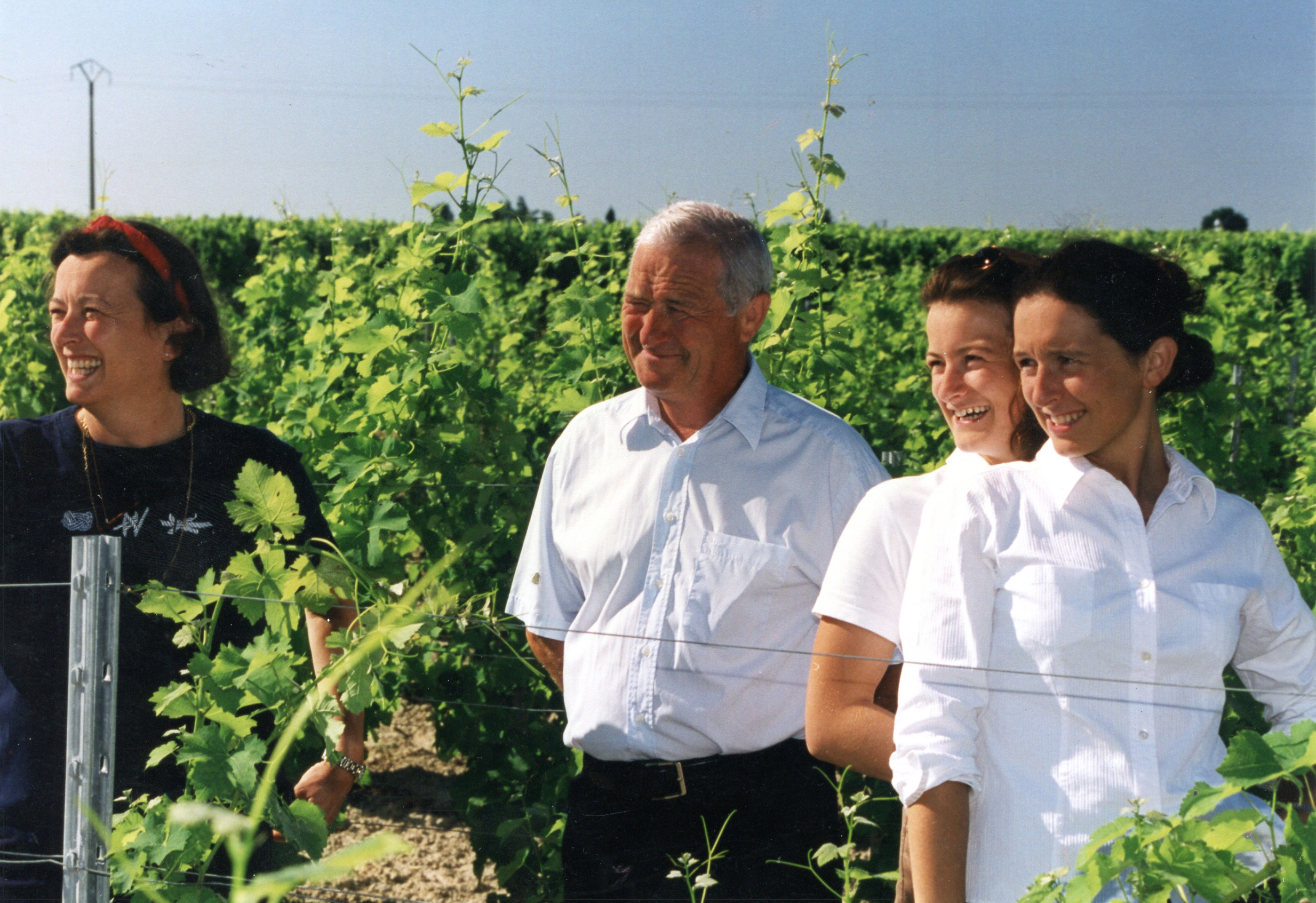
Sylvie and Marie Courselle, Francis’s daughters, inherited the family passion. Both trained as engineers and oenologists and, after gaining extensive experience abroad, they gradually took the reins at Thieuley, leaving their mark on a place that has been home to the Courselle family for more than 75 years.
They champion the Entre-Deux-Mers region with natural ease and energy, and bring passion and authenticity to every cuvée.
At Thieuley, the adventure is above all a family story, but it would not have the same flavour without the people who bring it to life every day. Alongside the Courselle family, a loyal team of 10 to 12 permanent staff devote their expertise, high standards and passion to the estate’s wines.
65 ha
Of vines
13
Grape varieties grown
3rde
Family generation
105 m
Highest point
25 km
From Bordeaux
3
Municipalities
3
Soil types
100%
Family-owned

Our Estate

Terroir: letting our land speak.

“Terroir” reflects the interplay between a number of natural and human factors that shape the future quality of the harvest.

Climate, Aspect, Altitude

“Our region enjoys a mild oceanic climate, which means the vines do not suffer from a lack of water, as well as a long growing cycle, which has a positive effect on the quality of the tannins. We are nevertheless affected by climate change, which has been significant and visible on a daily basis since around 2015, forcing us to adopt new growing methods. The vineyard’s three main knolls lie at an average altitude of 80 m, facing east and south. The highest point of the estate stands 105 m above sea level.”

The Soils

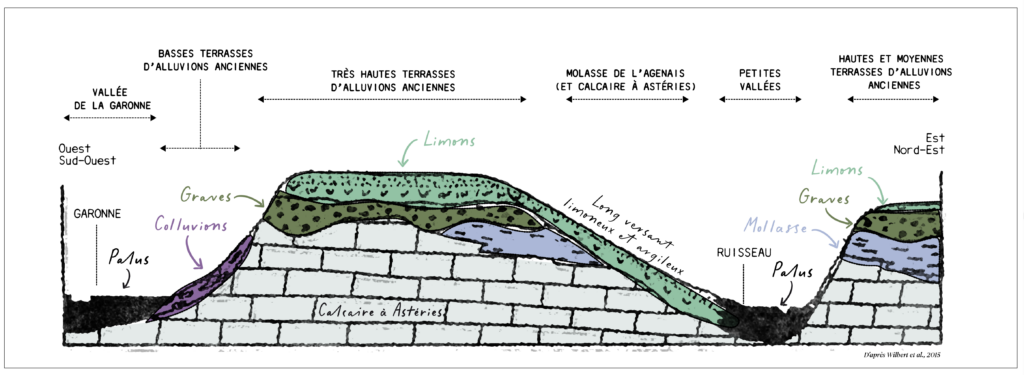
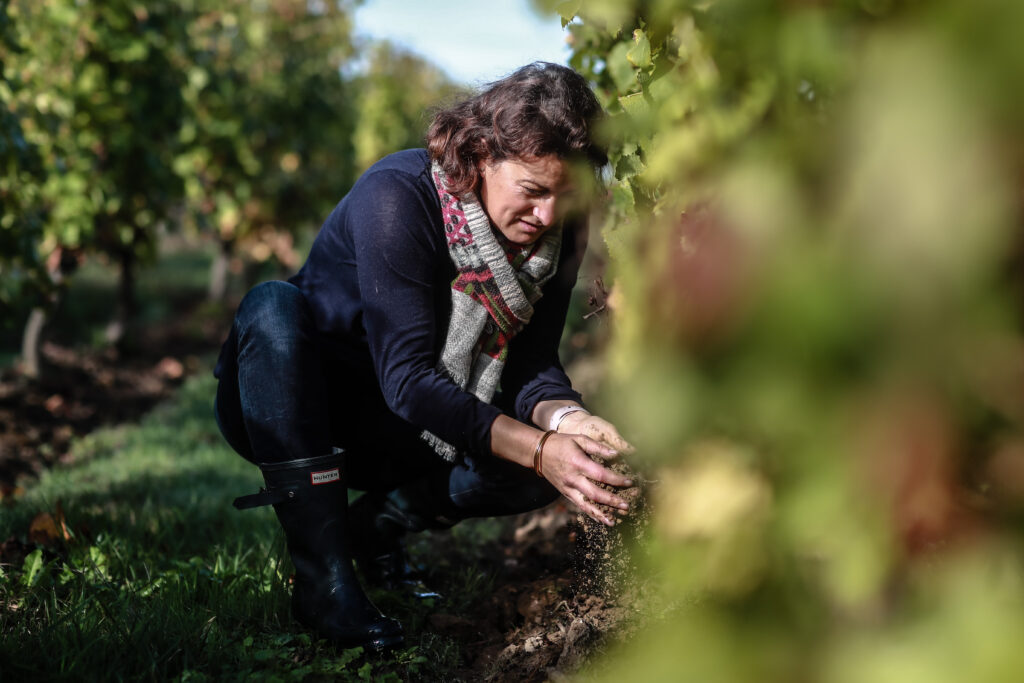
“The name “Thieuley” comes from the Old French word “tioule”, a place where tiles were made: Château Thieuley sits on clay-rich soils – clay being precious and essential for producing high-quality Bordeaux wines. Our soils have a clay base with varying proportions of limestone (clay-limestone soils) and gravel (clay-gravel soils). There are also more free-draining silty-sand soils known as “boulbènes”, made up of ancient alluvial deposits. We favour planting white grape varieties on this type of soil.”

Grape Varieties

Cultivating diversity

When winegrowers plant a vine, they are looking at least 30 years ahead. This choice is the result of careful technical thinking that must take into account suitability to the soil, the climate and the style of wine to be produced – and, a less familiar factor, climate change.

This thinking led us to keep the emblematic grape varieties of our region, but also to introduce varieties from outside the region, as well as disease-resistant hybrid varieties obtained by crossbreeding. Today, we grow 13 different grape varieties..

White Grapes — 7 varieties
Red Grapes — 6 varieties

“½ Red · ½ White · A rare balance in Bordeaux”

Sustainable viticulture

The vineyard: observe, reflect, adapt.

Every intervention in the vineyard, from the simplest to the most complex, is carefully considered. Our sustainable approach is guided by the daily observation of each plot. Here are a few key examples of choices driven by our pursuit of quality and excellence:
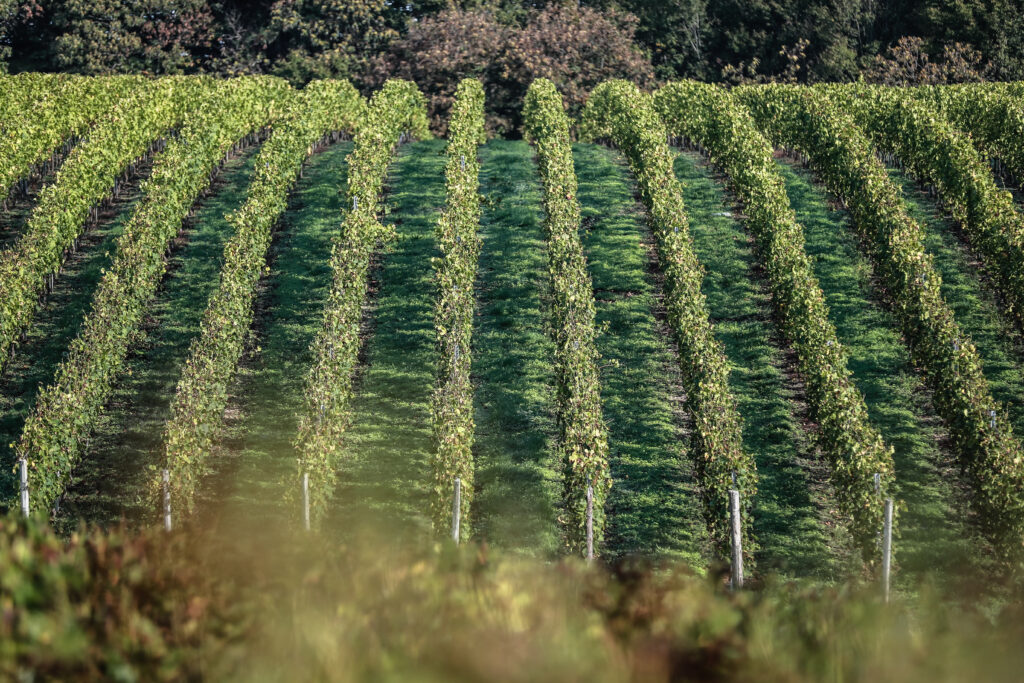
  • Planting density averages 5,550 vines per hectare – almost double the appellation average – which undeniably improves the quality of the wine.
  • All the vine rows are grassed over to limit soil erosion caused by water run-off, which also encourages deep root growth. Grass cover improves soil life too and preserves habitats for pollinators.
  • De Many hectares of shrubs, hedgerows, woodland and orchards have been planted around our plots to ensure balance and greater biodiversity in our vineyard.
  • Pruninge is carried out by our own teams in order to adapt the yield of each vine, optimise sap flow and keep every vine healthy.
  • Trellising, leaf removal and trimming are adapted to each year's weather. In sunny years, leaves and shoots are kept to protect the bunches from sunburn.
  • The natural flora is monitored through the seasons. Either it is kept because it does not compete with the vine – in which case it is rolled flat to form a mulch – or it is of no benefit, in which case it is mown before it goes to seed, and a green manure is sown in autumn to restore diversity and restructure our soils.
  • No chemical fertilisers are used in our vineyard only organic soil improvers and manure from neighbouring farms.

Winery

The winery: where heritage meets precision.

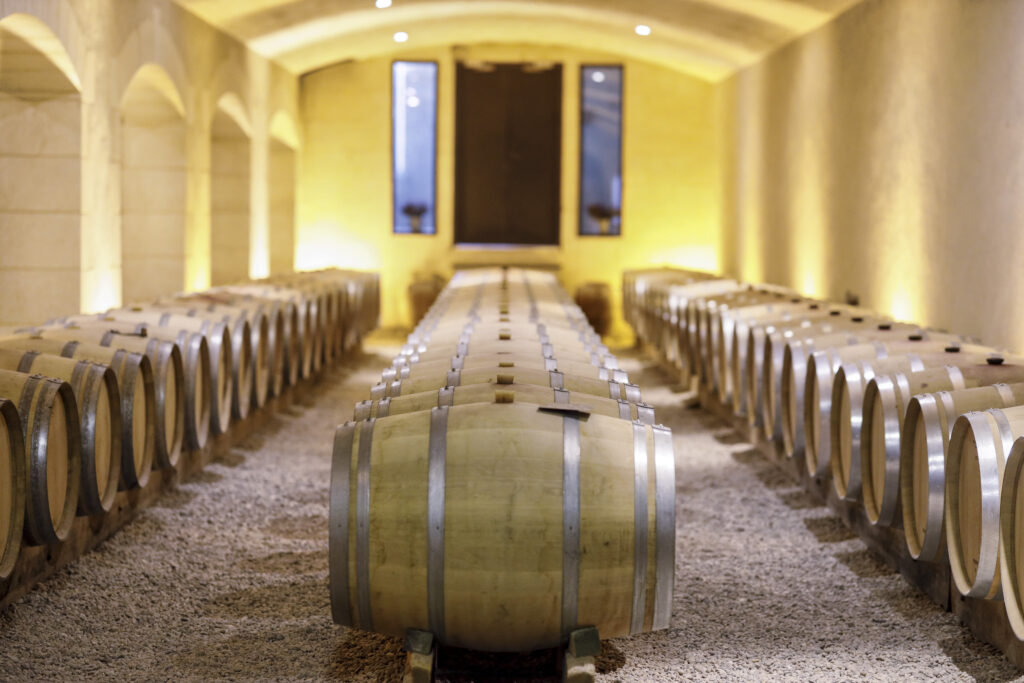
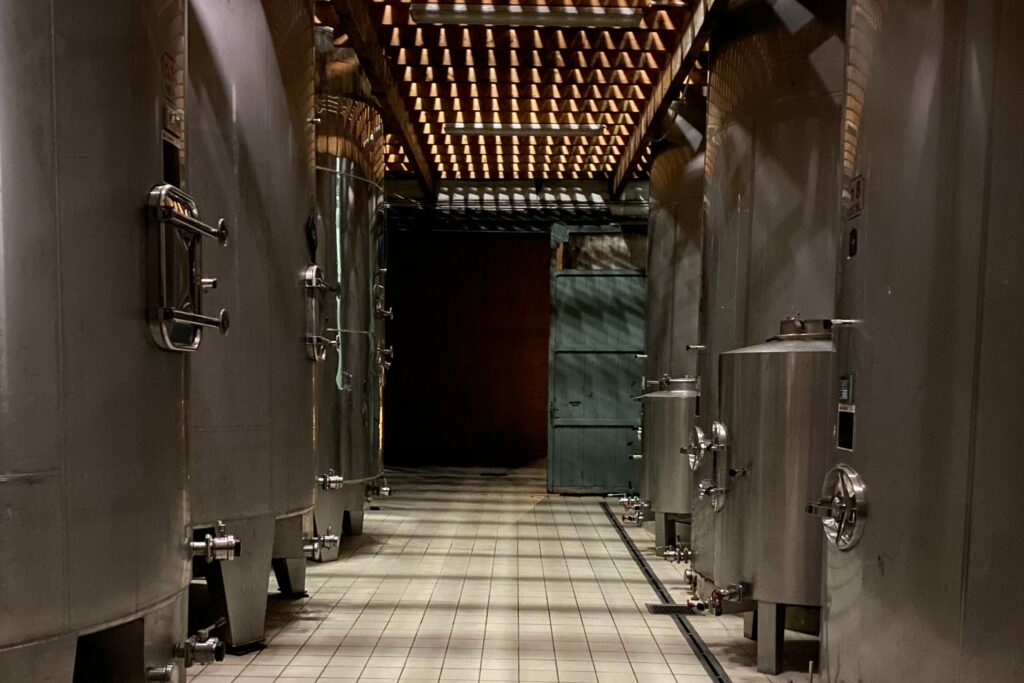
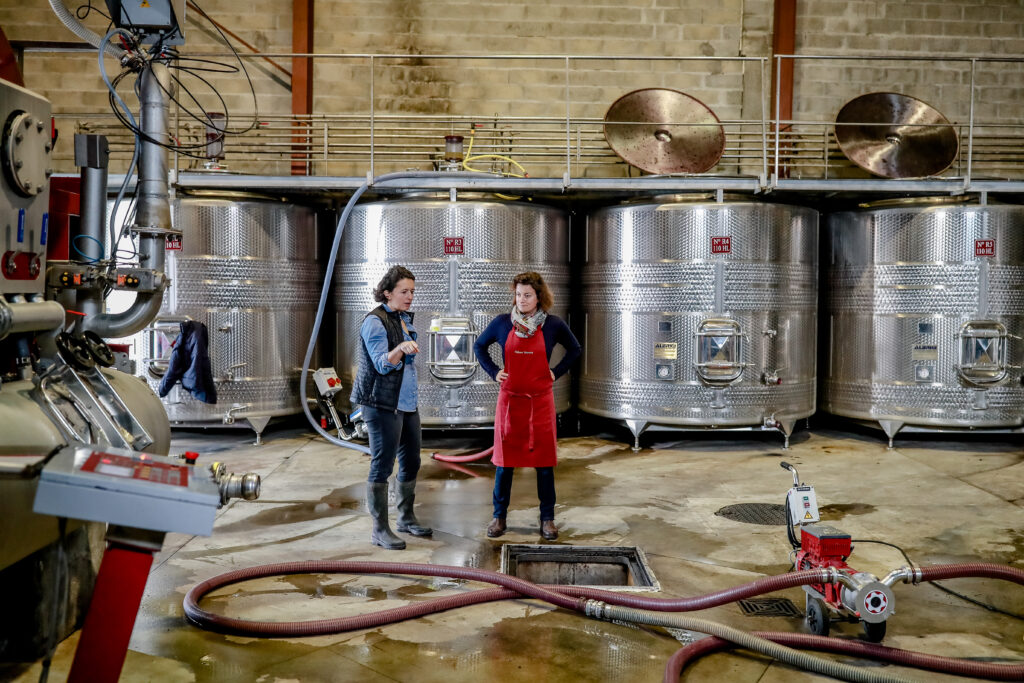
In 1950, when André Courselle arrived at Thieuley, the estate was more of a farm than a true vineyard. Over the decades, the buildings evolved, grew and were transformed, without ever erasing what had gone before. The oldest parts of the vat room were preserved and incorporated into the new buildings – witnesses to a story that is still being written. Today, the Thieuley winery is organised around several spaces, each devoted to a key stage in the birth of the wine. From harvest to pressing, the grapes are received with the utmost care. Our skin-contact maceration tanks and our press using Inertys technology preserve their freshness and aromas as fully as possible from the very first moments.
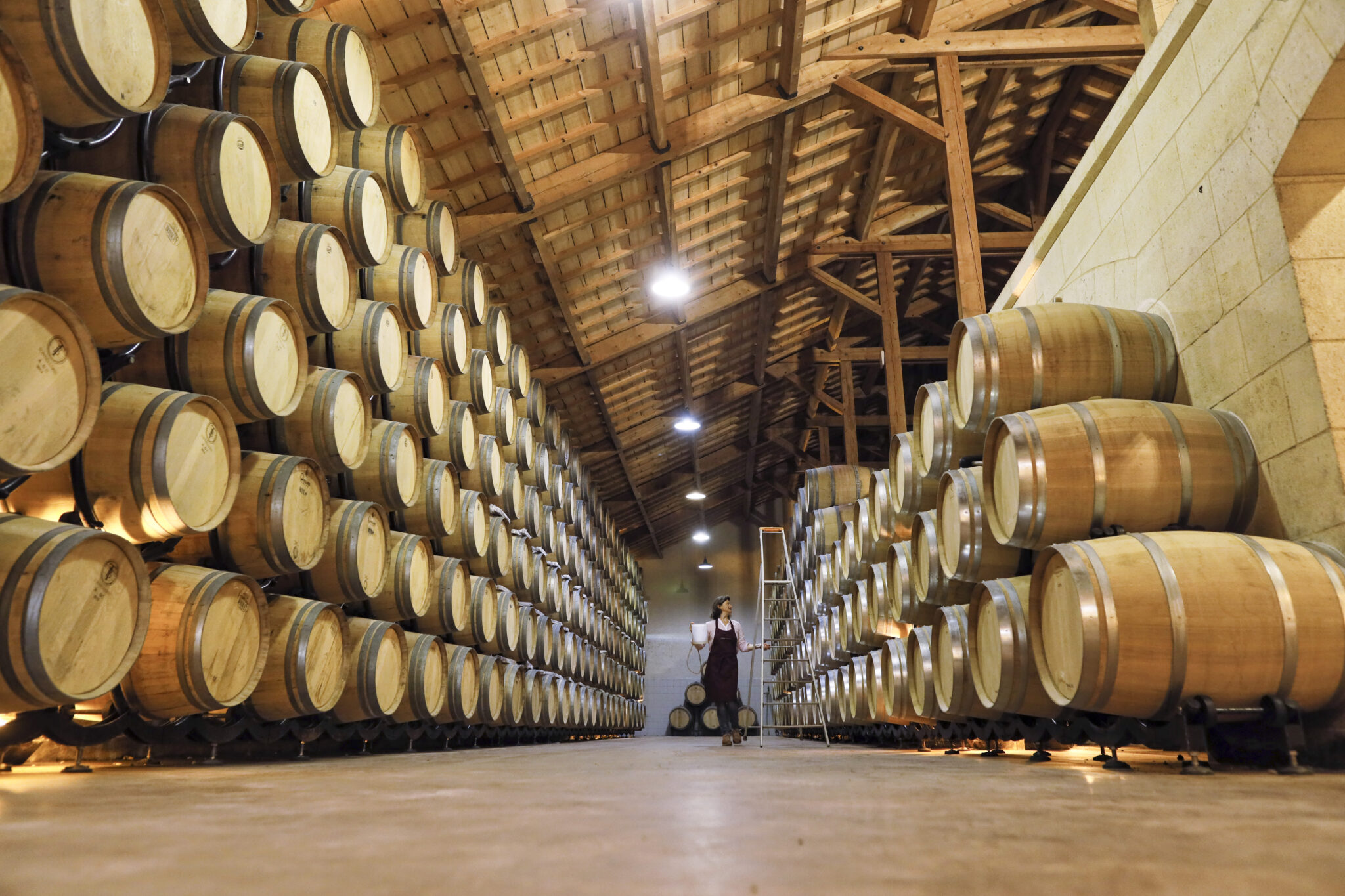
Next comes fermentation.Temperature-controlled stainless-steel tanks allow us to monitor and precisely control temperature and oxygen, so that each grape variety and each plot can fully express its personality. Then comes ageing.The wine rests and matures for several months, depending on its character and the style we are aiming for. French oak barrels, small concrete vats and terracotta amphorae offer so many different paths to guide its development. At Thieuley, we like to remindlpeople that wine is made first and foremost in the vineyard.. That is where everything begins: in working the soil, in the care given to the vines and in respect for each vintage. But once the grapes reach the winery, our role is to bring all our expertise to bear to preserve and reveal what they have patiently built. The Thieuley winery is a reflection of the estate itself:a place where heritage and tradition . engage in dialogue with precision and technique. Tools evolve and practices are refined, but the intention has remained the same for generations: to guide the grapes with care and accuracy, giving birth to wines that fully express their origin.
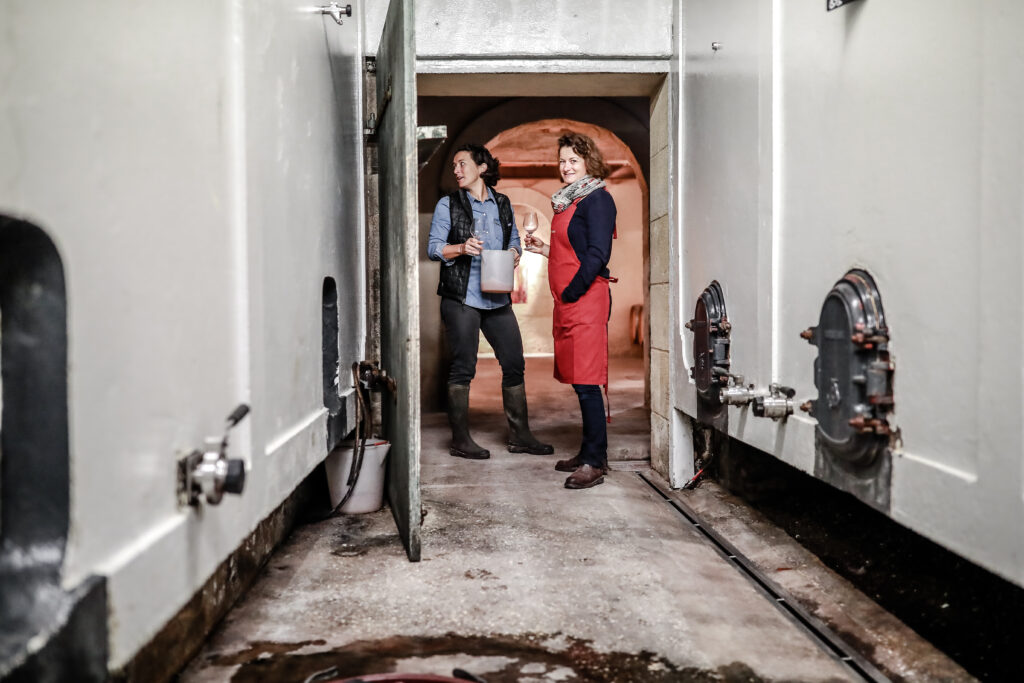
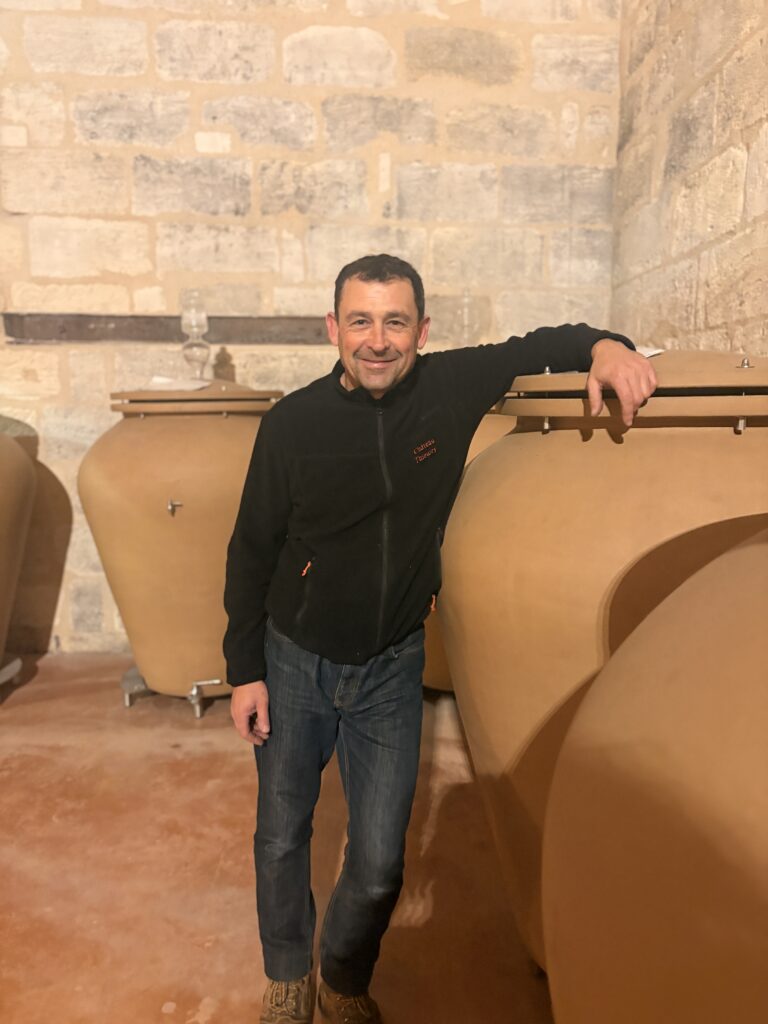
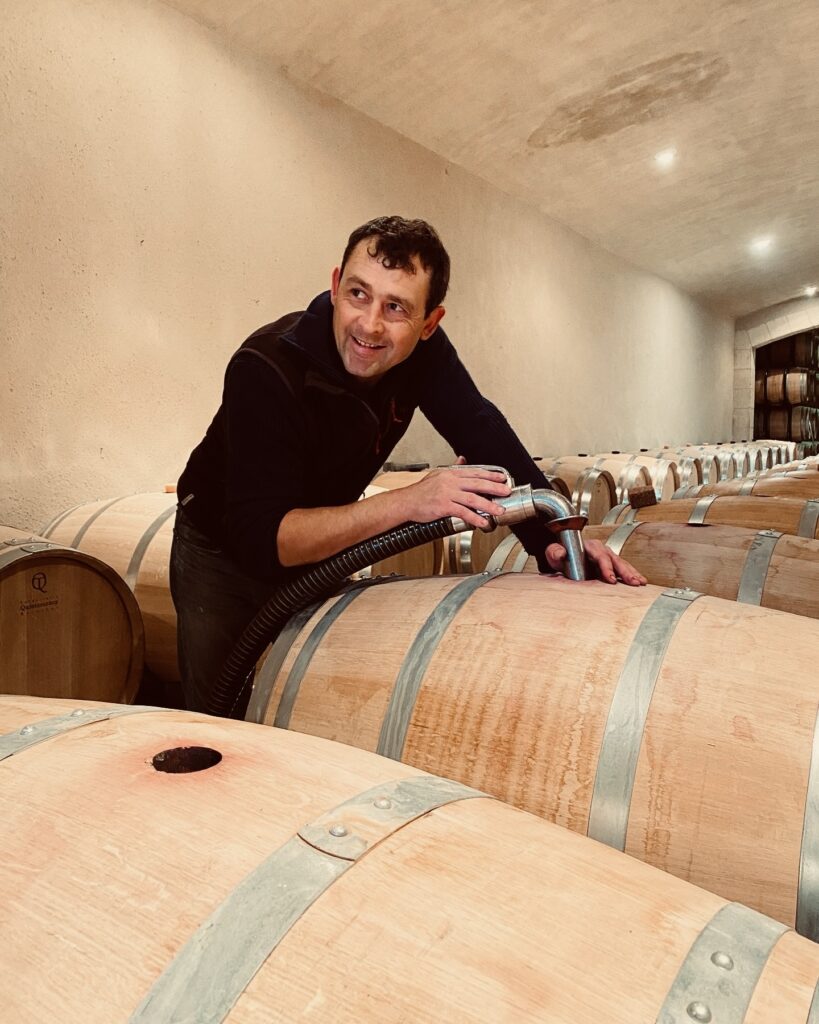
It is impossible to talk about the Thieuley winery without mentioning Ludo, its true master. Since 2000, he has overseen every stage of winemaking with rigour and passion, from the arrival of the grapes to bottling. A pillar of the technical team, he embodies the winery’s memory and helps bring Thieuley’s ambitions to life every day, with unwavering standards and a deep attachment to the estate’s wines.

Our commitment

A family of pioneers…

Here are a few dates that reveal the visionary, pioneering spirit of the Courselle family
1980 – 1985

While winegrowers all around were grubbing up white varieties to plant red ones, Francis Courselle did the opposite, planting large areas of Sauvignon and Sémillon.

1986

Introduction of skin-contact maceration and creation of the Cuvée Francis Courselle, the first Bordeaux white wine to be fermented in new barrels and aged for 9 months on its lees – a Burgundian method pioneered in the Bordeaux region.

Since 2000

Punching down the cap for our red wines, alternating with pumping over, to extract as much colour and aroma as possible.

2002

Introduction of the Oxoline system for rotating barrels.

2004

Our first Open Day at Thieuley.

2005

Creation of the Club Thieuley, a community of ambassadors for good food and good wine.

2006

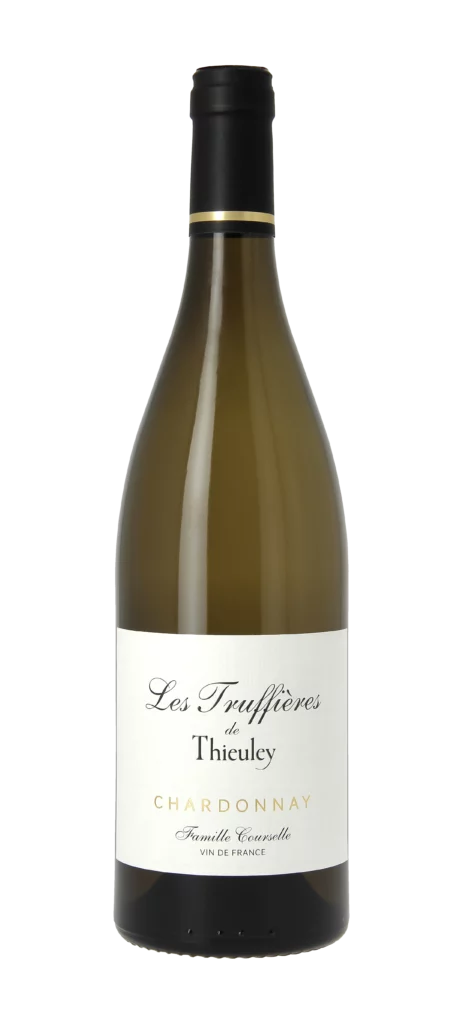
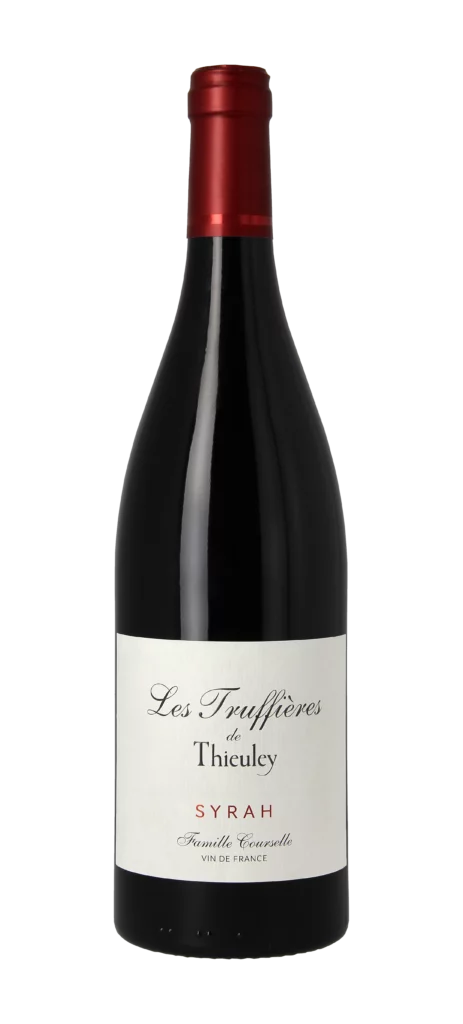
Planting of Chardonnay and Syrah on the estate – an avant-garde move in the Bordeaux landscape.

2006

Planting of truffle oaks and olive trees.

2007

Arrival of high-tech presses that press the grapes under nitrogen, with no contact with air – a decisive leap in quality for our white and rosé wines.

2015

Launch of our Petit Courselle bistro range (Vin de France): Les Copains and Les Copines.

2016

Planting of disease-resistant hybrid grape varieties, obtained by crossbreeding, in anticipation of climate change.

2021

Beehives installed as part of our Bee Friendly certification.

2022

Solar panels installed on the winery roof.

2024

First harvest of Thieuley olive oil.

2024

Opening of our vinegar works, a new artisanal venture for the estate.

2024

Winner of a Best of Wine Tourism award in the “Promotion of agri-environmental practices” category.

2024

Creation of our landscape trail using La Bulle Verte technology.

2025

Artist residency at Thieuley with Marie Bathellier.

2026

Winner of a Best of Wine Tourism award in the “Art & Culture” category.

Nurturing life, protecting tomorrow.

“For generations, agricultural common sense has guided our growing choices, so as to keep the vineyard in balance and preserve living soil. Our work as winegrowers has evolved with tools, techniques, and environmental and climatic constraints. Our various initiatives are based on daily observation in the vineyard, limiting interventions to what is strictly necessary, protecting natural resources, reducing our carbon footprint and preserving biodiversity. Today, our approach is certified for sustainable agriculture by Terra Vitis, and by the High Environmental Value (HVE) and Bee Friendly labels.”

Terra Vitis

Terra Vitis is an association of winegrowers committed to responsible viticulture that combines economic performance, respect for the environment and social responsibility. It certifies estates that apply sustainable, traceable practices, from vine to bottle.

Bee Friendly

Preserving biodiversity, bees and pollinators is a major challenge for agriculture today. Working with beekeepers and hosting hives on the estate is a daily commitment. In 2024, we achieved the highest Bee Friendly audit score in France.

Made in France

Facing international competition more than ever, we have chosen “made in France” supplies: 98% of the companies we work with for our cartons, labels, corks, bottles and capsules are French, often family-run businesses.

H.V.E

HVE is an official French certification awarded (after inspection) to farms that adopt environmentally friendly working methods and preserve ecosystems. The label particularly recognises wine estates that make extra efforts in terms of biodiversity and water management.

our wines

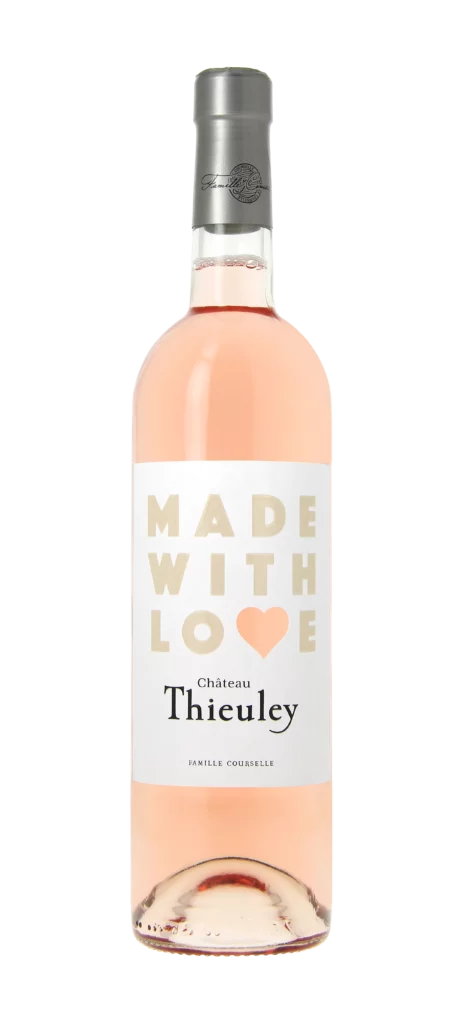
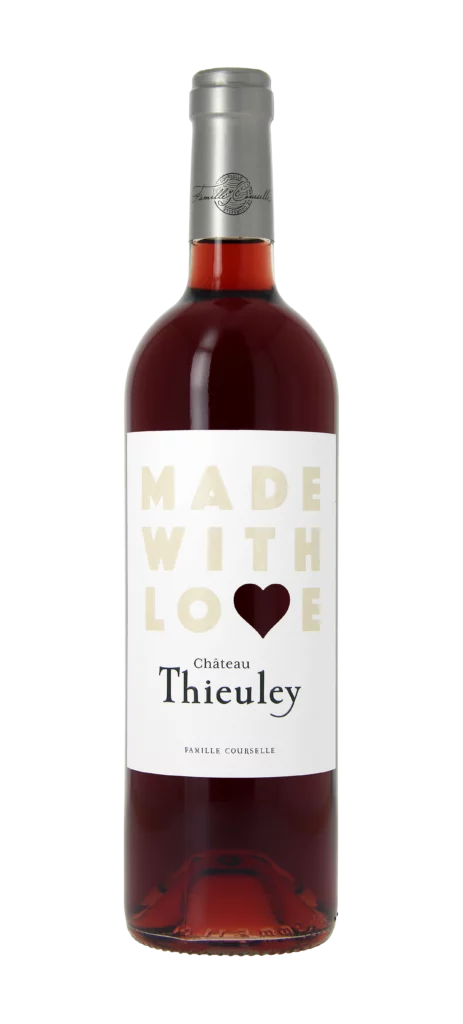
The Wines

Discover the taste of Thieuley and our signature in each of our wines

Our take on good Bordeaux…

Classic or iconic, these two wines embody the good taste of Bordeaux.

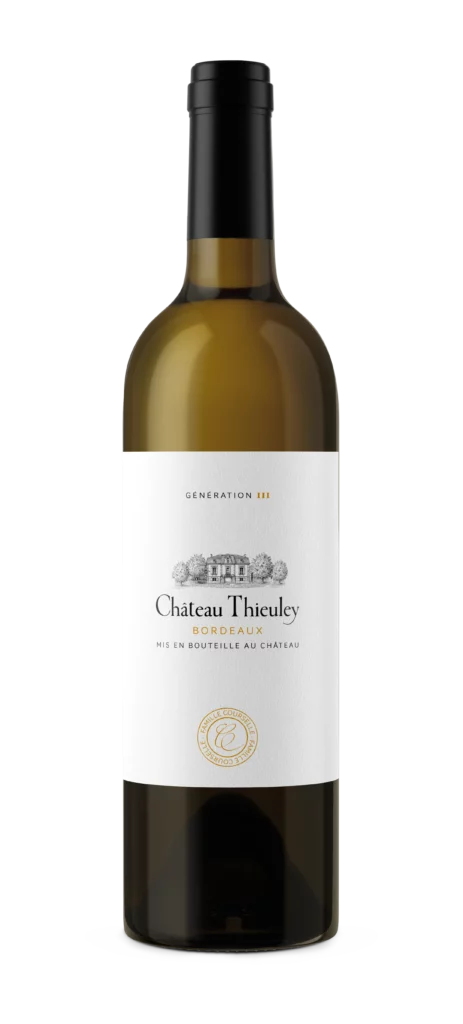
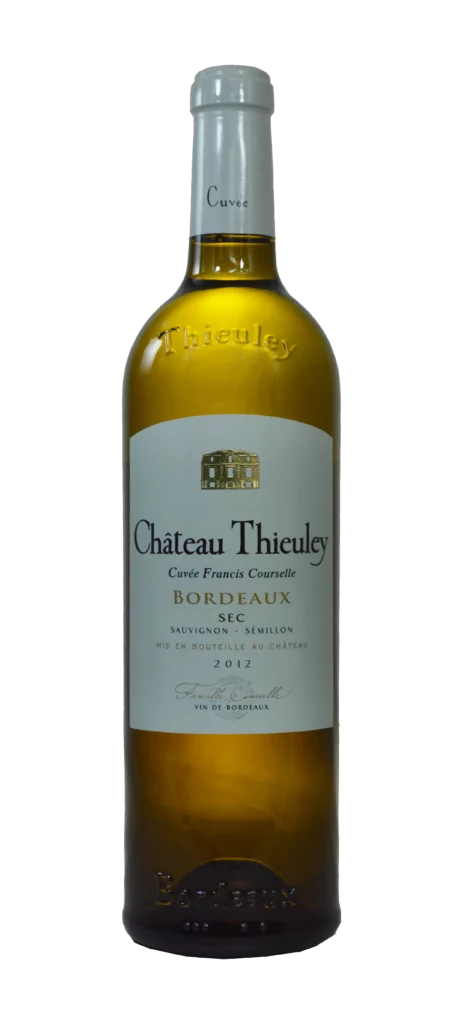
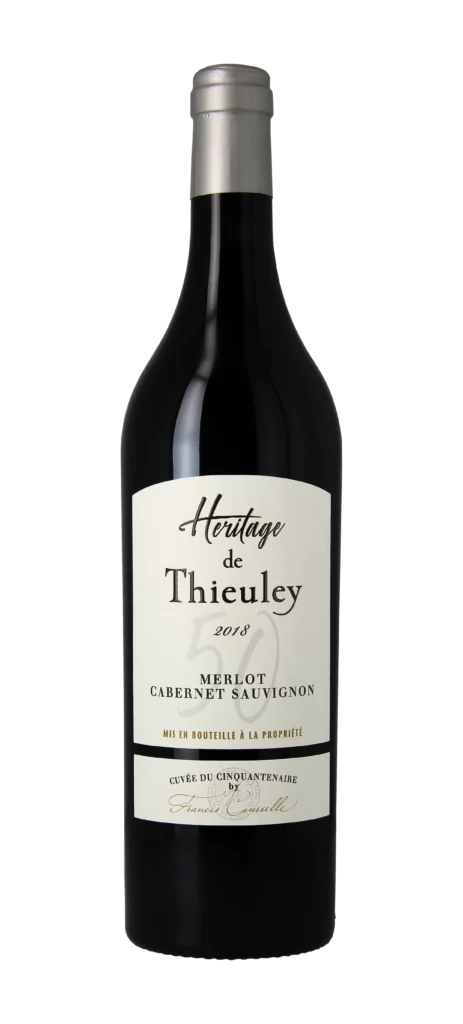
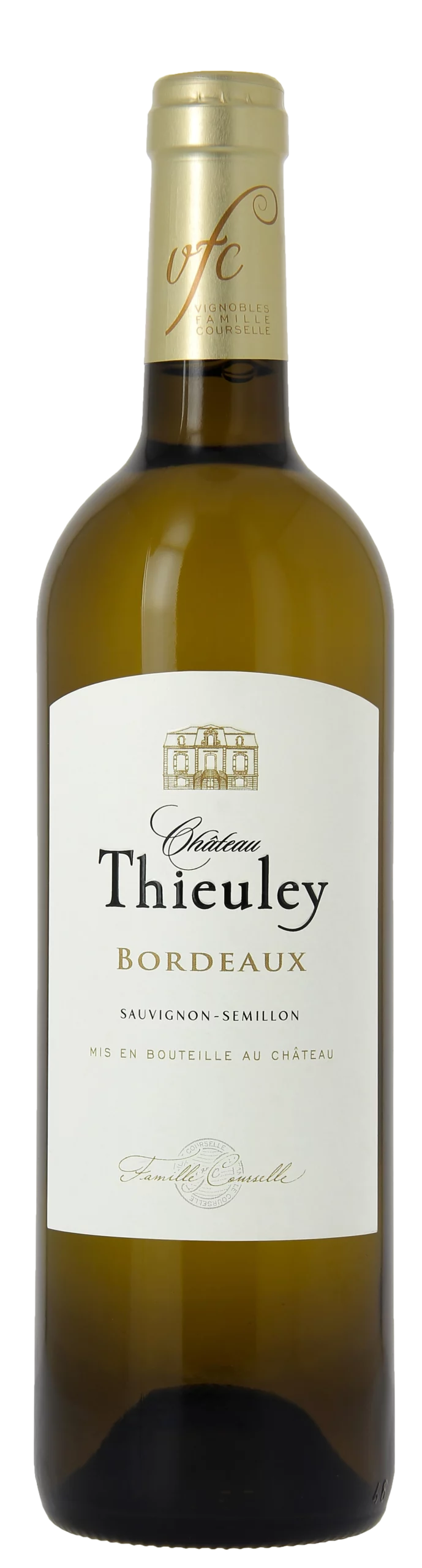
Bottle of Château Thieuley Blanc Classic

AOC Bordeaux — Dry White

Château Thieuley Blanc

Sauvignon Blanc and Sémillon in harmony. Fresh, fruity and balanced – the ultimate wine for pure enjoyment.
Harmony Approachable Fresh & Fruity
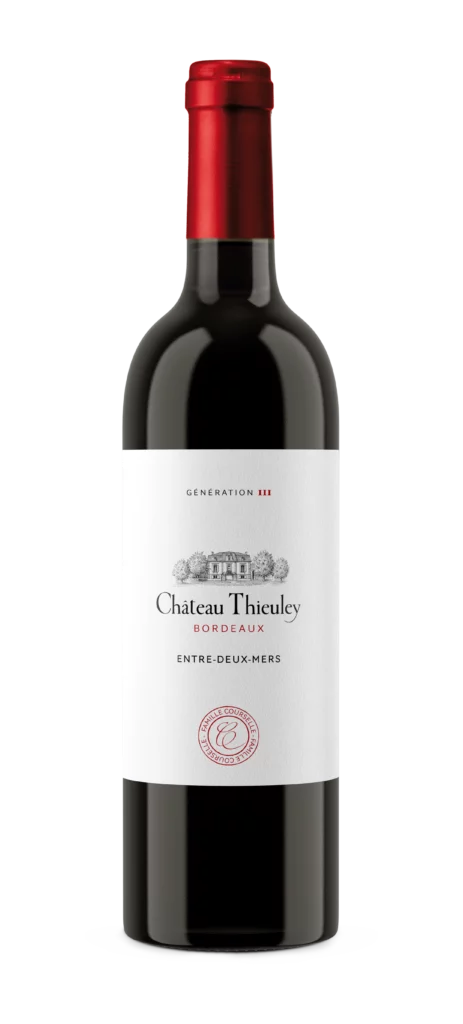
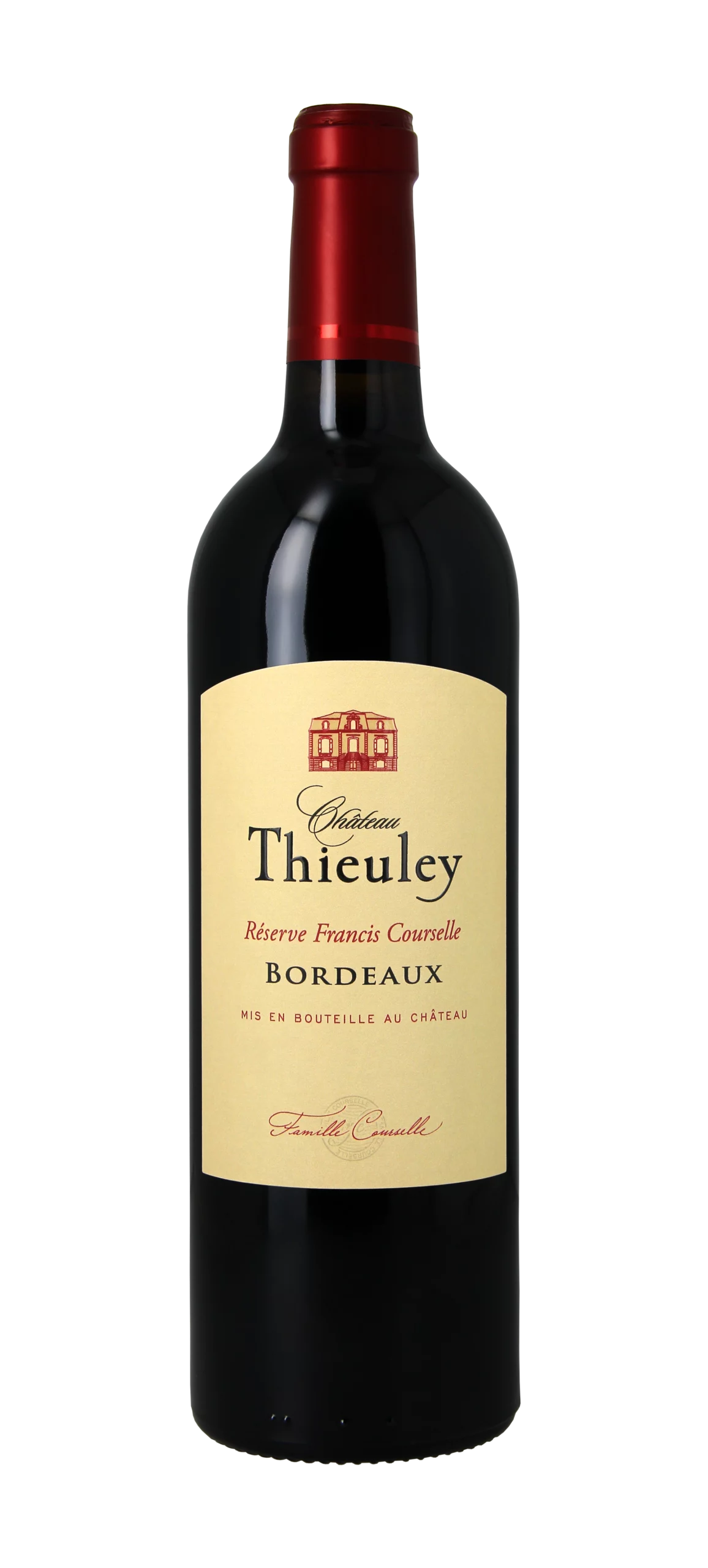
Bottle of Château Thieuley Rouge Classic

AOC Bordeaux — Red

Château Thieuley Rouge

A classic Bordeaux blend (Merlot and Cabernet Sauvignon), yet modern and round on the palate.

Classic Charming Ready to drink
Stay Close to the Vines

The latest from the estate,
delivered straight to your inbox

Harvest updates, new vintages, events and vineyard diaries join the wine lovers who follow Château Thieuley closely.

Thank you, welcome